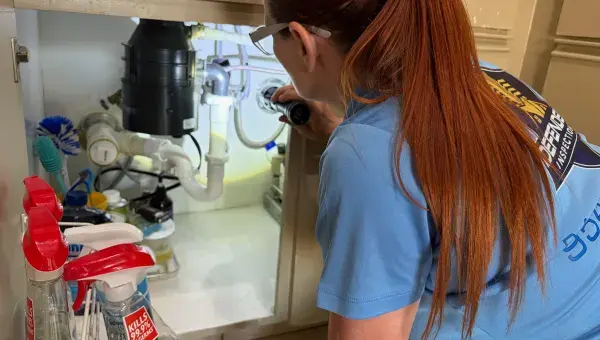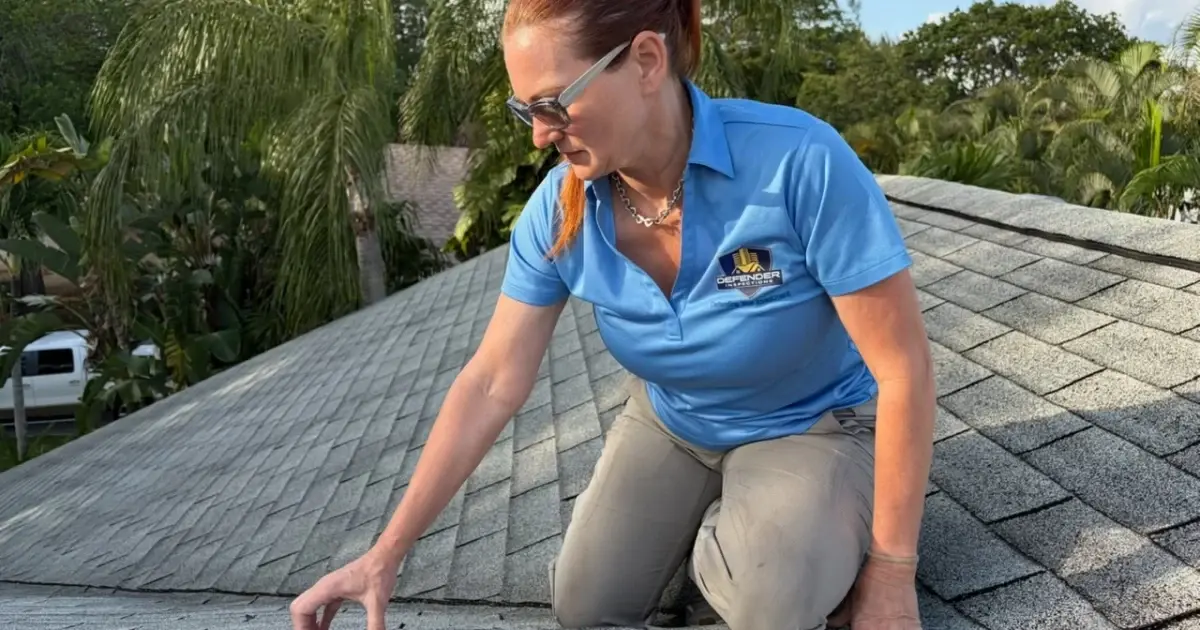
You pull up to a listing in Broward County. The house looks nice enough from the curb. Fresh landscaping, maybe a new coat of paint. But within the first five minutes of walking the property, before you even open a toolkit, the story the house is really telling starts to unfold.
After inspecting homes across Broward, Palm Beach, and Miami-Dade for over five years, there are patterns you start to recognize almost instantly. Certain exterior clues act like a home's body language, revealing hidden problems that could cost buyers tens of thousands of dollars down the road. These are the red flags that most buyers, and even some agents, walk right past without a second glance.
Whether you are a first-time home buyer trying to protect your investment, a seller preparing to list, or a real estate agent looking to better advise your clients, understanding what a trained inspector notices before they even step inside can save you time, money, and a lot of headaches.
Here is what you need to know about the five biggest exterior warning signs and exactly what to do if you spot them.
Red Flag 1: Grading and Drainage Issues Around the Foundation
The very first thing an experienced inspector evaluates is the ground around the home. It sounds simple, but the way water moves around a property is one of the most consequential factors in a home's long-term health, especially in South Florida where seasonal downpours can dump inches of rain in a matter of hours.
What you are looking for is the slope of the soil, or "grading," immediately surrounding the foundation. Ideally, the ground should slope away from the home on all sides, directing rainwater and irrigation runoff away from the structure. When the grading slopes toward the house, or when soil has settled and created depressions against the foundation wall, water pools where it should not. Over time, that standing water finds its way into crawl spaces, through foundation walls, and into the home itself.
What It Means for You
In South Florida, improper grading is not just a moisture problem; it is a termite invitation. Subterranean termites swarm roughly twice a year down here, and they are drawn to moisture. If you have wood in contact with soil and water sitting against the foundation, you are essentially rolling out the welcome mat. Beyond termites, persistent moisture against a foundation can lead to mold growth in crawl spaces, deterioration of structural wood members, and even foundation settlement.
For older homes in Hollywood, Fort Lauderdale, and parts of Miami-Dade that have crawl spaces, this is an especially critical concern. It is not uncommon to find car jacks propping up floor joists in a crawl space because years of moisture damage went unaddressed. That is a structural emergency that started with something as simple as the dirt around the house being at the wrong angle.
What You Should Do
Walk the perimeter of any property you are considering and look for areas where water appears to pool or where soil is level with or slopes toward the foundation.
Check for standing water or staining on the lower portions of the exterior walls after a rain event.
Ask about drainage improvements such as French drains, swales, or gutter downspout extensions. If none exist and the grading is poor, budget for corrections and factor that into your offer.
Red Flag 2: Roof Wear Patterns That Tell the Real Story
The roof is the single most expensive system on most South Florida homes, and it is also one of the first things an inspector evaluates from the driveway. Before ever climbing a ladder, you can learn a tremendous amount about a roof's condition just by observing it from ground level.
What catches a trained eye immediately are inconsistencies: mismatched shingle colors that indicate patch repairs, visible curling or lifting at the edges of shingles, dark streaks that suggest algae growth and moisture retention, and sagging ridgelines that point to structural concerns underneath. On flat roofs, which are common throughout Miami-Dade and Broward counties, visible ponding, bubbling, or cracking of the membrane material are telltale signs that the roof is past its serviceable life.
South Florida's combination of intense UV exposure, hurricane-force wind events, and salt air creates conditions that age roofing materials faster than almost anywhere else in the country. A roof that might last 25 years in the Midwest could deteriorate in 15 down here.
What It Means for You
Here is the critical detail most buyers do not realize: insurance companies require a minimum of five years of remaining useful life on a roof before they will issue a homeowner's policy. If an inspector cannot certify that, the buyer cannot get insurance, and without insurance, most lenders will not fund the mortgage. A roof that looks passable to the untrained eye can still be a deal-killer.
When an inspection uncovers a roof that is past its useful life or has deteriorated materials, it becomes a major negotiation point. We are talking about a potential $15,000 to $40,000 expense depending on the size and type of the roof. For sellers, discovering this after going under contract can be devastating, particularly if they do not have the funds to make the repair on short notice.
What You Should Do
Request the roof's installation date and permit records from the seller or listing agent before scheduling your inspection.
Look for visible patchwork, mismatched materials, or debris accumulation in valleys and around penetrations like vents and skylights.
Factor roof age into your offer strategy. If the roof is approaching 15 years on a shingle system or 20 years on tile, get detailed documentation during your inspection period so you can negotiate accordingly.
Red Flag 3: Stucco Staining That Signals Water Intrusion
Stucco is the dominant exterior finish on South Florida homes, and it can be one of the most revealing surfaces on the entire property, if you know how to read it. Discoloration, dark streaks running down from windowsills, bubbling, or horizontal stain lines along the lower portions of walls are all clues that water is getting where it should not be.
These stains often originate from failed window seals, improperly flashed roof-to-wall transitions, or cracks in the stucco itself that have allowed moisture to penetrate behind the surface. South Florida's driving rain during hurricane season can push water laterally into wall assemblies in ways that homeowners in drier climates would never experience. And once moisture is behind the stucco, it has nowhere to go. It sits against the sheathing, promotes mold growth, and rots the structural components from the inside out.
This is one of the reasons a thorough inspection goes beyond simply looking at surfaces. Checking for moisture behind windows using specialized meters, tracing staining patterns back to their source, and evaluating whether previous repairs were done correctly are all part of the investigative process. Every inspection is essentially solving a puzzle: why is this happening, how is it happening, and if someone already tried to fix it, did they actually fix the root cause or just cover up the symptom?
What It Means for You
Water intrusion is the gateway to some of the most expensive problems a South Florida home can have. Mold remediation alone can run thousands of dollars, and if the moisture has been present long enough to compromise structural members, you are looking at even more significant repairs. For families with members who have allergies or respiratory sensitivities, hidden mold behind walls can create serious health concerns that do not become apparent until well after closing.
The humidity in South Florida means that even newer homes can develop mold issues if the HVAC system has not been properly maintained or if construction defects allowed moisture pathways into the wall assembly. You simply cannot take a clean-looking exterior at face value.
What You Should Do
Examine the exterior walls carefully around all windows and doors for staining, discoloration, or bubbling stucco.
Ask your inspector to perform moisture testing behind windows and at any areas of visible staining.
Consider air quality testing as part of your inspection package, especially on older homes or any property where staining is present. Knowing what you are breathing matters.
Red Flag 4: The Electrical Panel Tells You Everything From the Outside
You do not always need to open the electrical panel to know there is a problem. The exterior of the panel, its age, its brand, and even the condition of the service entry cables can raise immediate red flags for an experienced inspector.
There are approximately five major electrical panel brands that insurance companies in Florida actively refuse to cover or require replacement of before issuing a policy. These include well-known names like Federal Pacific, Zinsco, and certain Challenger panels, which have documented histories of breaker failure. If you can read the manufacturer name on the panel cover from the outside, and it is one of these brands, you already know a significant expense is coming.
Beyond brand concerns, the physical condition of the panel matters enormously. South Florida's salt air is corrosive, and panels installed on the exterior of homes near the coast often show significant oxidation, corroded bus bars, and deteriorated wiring connections. This corrosion can cause breakers to malfunction, connections to overheat, and in worst-case scenarios, electrical fires.
Inside the panel, common issues include double-tapped breakers where two wires are connected to a single breaker designed for one, outdated cloth wiring or braided Romex that is a hallmark of older construction, and signs of overheating such as scorching or melted plastic. These are the kinds of details that a thorough inspection catches every time.
What It Means for You
An electrical panel replacement in South Florida typically runs between $2,000 and $4,500, and it is one of the most common deal-affecting findings in home inspections. Insurance companies take electrical systems very seriously because faulty panels are a leading cause of house fires. If your home has one of the blacklisted brands or shows signs of deterioration, you will not be able to get coverage until it is replaced.
For buyers, this is a non-negotiable repair that should be addressed before closing. For sellers, discovering a panel issue during the buyer's inspection period puts you in a weak negotiating position. Getting ahead of it with a pre-listing inspection is always the smarter play.
What You Should Do
Check the brand name on the electrical panel before you even schedule an inspection. If it reads Federal Pacific, Zinsco, or Challenger, plan for replacement.
Look for visible corrosion, rust, or paint overspray on the panel exterior, all of which indicate either environmental damage or sloppy maintenance.
Budget for a panel upgrade on any home built before 1990, and verify that all wiring meets current standards during your inspection.
Red Flag 5: HVAC Unit Condition Visible From the Yard
The outdoor condenser unit of the HVAC system is one of the last things most buyers look at, but it is one of the first things an inspector evaluates. You can learn a lot from a quick visual assessment: the age of the unit (often printed right on the manufacturer label), the condition of the fins and coils, whether the unit is level on its pad, and whether there is evidence of rust, refrigerant leaks, or neglected maintenance.
In South Florida, HVAC systems work harder than almost anywhere else in the country. Units run nearly year-round in our climate, and the combination of heat, humidity, and salt air means they age faster than their rated lifespan would suggest. A system rated for 15 years might realistically deliver 10 to 12 years of reliable service down here. And when an HVAC unit starts to fail, it does not just affect your comfort. It affects your indoor air quality, your energy bills, and your ability to get insurance.
Insurance companies evaluate HVAC age as part of the four-point inspection process. If your unit is past its expected life, your insurer may require replacement or refuse to write the policy altogether. This is one of the four critical systems, along with roof, electrical, and plumbing, that determine whether a home is insurable in Florida.
What It Means for You
Replacing an HVAC system in South Florida is a $6,000 to $15,000 expense depending on the size of the home and the type of system. But the cost implications go beyond just the hardware. A failing or poorly maintained HVAC system can lead to inadequate dehumidification, which in turn promotes mold growth throughout the home. If previous owners were not diligent about changing filters, ducts can become contaminated, circulating allergens and mold spores throughout the living space.
This is especially important for families with young children or members with respiratory conditions. The air quality inside a South Florida home is directly tied to how well the HVAC system has been maintained. "I kind of was my own boss.. I've been doing it for five and a half years," and in that time, thousands of inspections have made it clear that HVAC neglect is one of the most common and costly issues buyers face in this market.
What You Should Do
Read the manufacturer label on the outdoor unit to determine its age. If it is over 10 years old, factor potential replacement into your budget.
Look for visible rust, bent fins, refrigerant staining, or an unlevel pad, all of which indicate deferred maintenance or approaching failure.
Request maintenance records from the seller and ask your inspector to evaluate the system's performance, not just its appearance.
What to Do Now
Knowing what to look for is only valuable if you act on it. Here is a practical timeline for putting this knowledge to work, whether you are buying, selling, or advising clients in South Florida.
This Week
Walk the exterior of your target property (or your own home if you are preparing to sell) and look for each of these five red flags. Take photos of anything that concerns you.
Check the electrical panel brand and HVAC unit age using the manufacturer labels. These two data points alone can tell you whether significant expenses are on the horizon.
Research insurance requirements for the property's county. Broward, Palm Beach, and Miami-Dade each have nuances in how insurers evaluate the four-point systems.
This Month
Schedule a comprehensive home inspection that includes a general inspection, wind mitigation, four-point, and WDO (wood-destroying organism) inspection. For older homes with cast iron plumbing, add a sewer scope.
Request air quality testing if you see any evidence of staining, moisture intrusion, or if the home has been closed up for an extended period.
Share your findings with your real estate agent so they can build a negotiation strategy based on documented conditions rather than guesswork.
This Quarter
Address the highest-priority items first, focusing on anything that affects insurability: roof, electrical panel, HVAC, and plumbing.
Get re-inspected after repairs are made to confirm that the work was done correctly and that insurance requirements are met.
Build a maintenance calendar for your new home that includes regular HVAC filter changes, annual roof inspections, and periodic termite treatments. Prevention is always cheaper than repair.
The Bottom Line
The first five minutes outside a South Florida property can reveal more about its true condition than most buyers learn during an entire walkthrough. Grading issues, roof wear, stucco staining, electrical panel problems, and HVAC deterioration are all visible from the exterior, and each one can signal thousands of dollars in hidden costs. A thorough, investigative inspection is not just a checkbox in the buying process; it is the single most important step in defending your investment.
Ready to get the complete story on a South Florida property before you commit? Schedule your inspection with Defender Inspections and find out what the house is really telling you, before you sign on the dotted line.
About the Author
Defender Inspections
Defender Inspections is a husband-and-wife home inspection team serving Broward, Palm Beach, and Miami-Dade counties. Michelle Diefenderfer (FL HI12805) leads every inspection with five-plus years of South Florida experience; Glen Diefenderfer handles client relations, scheduling, and realtor partnerships. Every report carries the Diefenderfer family name.