You found the house. Maybe it's a charming 1960s concrete block ranch in Hollywood, or a brand-new build out west in Palm Beach County. Either way, your heart rate is up, you're already mentally arranging furniture, and your realtor just said the words "home inspection." You nod along because you know it's part of the process, but deep down you're wondering: what actually happens during an inspection, and why should I care about anything beyond "pass" or "fail"?
Here's the truth that most first-time buyers in South Florida never hear: a home inspection isn't a pass/fail test. It's not a formality. And in a market as wildly diverse as Broward, Palm Beach, and Miami-Dade counties, the inspection is often the single most powerful tool you have to protect your investment and strengthen your negotiating position.
Here's what you need to know before you sign anything.
Why South Florida Homes Are Unlike Anything Else in the Country
South Florida's real estate landscape is one of the most varied in the United States. Within a 30-mile drive, you can move from a post-war CBS (concrete block structure) home with original cast iron plumbing to a gleaming new-construction spec house with impact windows and a tile roof that's never seen a single storm season. That diversity is exactly what makes home inspections here so critical. And so unpredictable.
A seasoned inspector in this market never has the same day twice. As we often say at Defender Inspections, "I didn't have a job that I went through the same thing every day. And it's something different." A 1958 bungalow in Boca Raton presents completely different challenges than a 2024 townhome in Weston. The older home might have deteriorating cast iron sewer lines beneath the slab, outdated electrical panels that insurance companies refuse to cover, and decades of humidity-driven wear hidden behind freshly painted walls. The newer home might have rushed construction defects, improperly installed hurricane straps, or HVAC systems that were never properly commissioned.
This variety is precisely why a generic, checklist-style inspection doesn't cut it in South Florida. Your inspector needs to understand the era your home was built in, the materials that were common at the time, the specific environmental pressures of the region, and the insurance requirements that will dictate what you can and can't cover after closing.
The Environmental Factors That Change Everything
South Florida's climate is beautiful, but it's brutal on homes. The combination of intense humidity, salt air exposure near the coast, seasonal termite swarms, and the ever-present threat of hurricanes creates a set of challenges that simply don't exist in most other markets:
Humidity and mold: Even well-maintained homes can develop hidden mold issues, especially if AC filters haven't been changed regularly or if there's poor ventilation in attics and crawl spaces.
Salt air corrosion: If your prospective home is anywhere near the coast, expect corrosion on electrical panels, roof flashing, door hardware, and window tracks. Corroded window tracks can seize windows shut. Which isn't just an annoyance, it's a safety hazard, since every bedroom needs at least one functioning egress window for fire escape.
Termite activity: Subterranean termites swarm roughly twice a year in South Florida. Any wood in contact with soil, any area with standing water or wood rot, becomes a target. A thorough WDO (wood-destroying organism) inspection is essential, not optional.
Hurricane readiness: Your wind mitigation inspection evaluates how well your roof-to-wall connections, opening protections, and overall structure will hold up in a storm. This directly impacts your insurance premiums. Sometimes by thousands of dollars a year.
All of these factors mean that a South Florida home inspection is fundamentally more complex than what buyers might expect if they've purchased property elsewhere.
What Actually Happens During a South Florida Home Inspection
If you've never been through a home inspection, the process can feel like a black box. You pay a fee, someone shows up with tools, and eventually you get a report. But understanding what's actually happening. And why. Transforms the inspection from an obligation into your greatest asset.
Step One: The Pre-Inspection Conversation
A quality inspection begins before anyone sets foot on the property. When you first contact a reputable inspection company, the conversation should be consultative. At Defender Inspections, we start by understanding the specifics of your situation: What kind of property are you purchasing? How old is it? What services do you actually need?
The age and type of home determines a lot. For an older home. Say, anything built before the mid-1970s. A sewer scope is strongly recommended because you want to know the condition of the cast iron drain pipes beneath the slab before you close. For a home where family members have allergies or respiratory concerns, an air quality test can reveal mold or contaminants that are invisible to the naked eye. For a home near the water, extra attention to corrosion and moisture intrusion is warranted.
This isn't about upselling. It's about making sure the inspection tells the complete story of the home. If your inspector isn't asking you these questions upfront, that's a red flag.
Step Two: The On-Site Inspection
On inspection day, a thorough inspector doesn't just glance at the major systems and move on. Here's what a comprehensive inspection covers in South Florida:
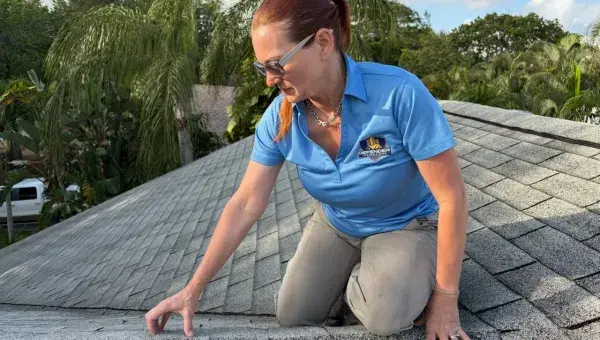
Roof: Condition of materials, estimated remaining life, flat roof membrane integrity, flashing condition, and whether at least five years of useful life remain (a common insurance requirement).
Electrical: Every outlet tested, breaker panel opened and examined inside and out, checking for double taps, cloth wiring, braided Romex, overheating, and whether the panel brand is one of the five that insurance companies commonly refuse to cover.
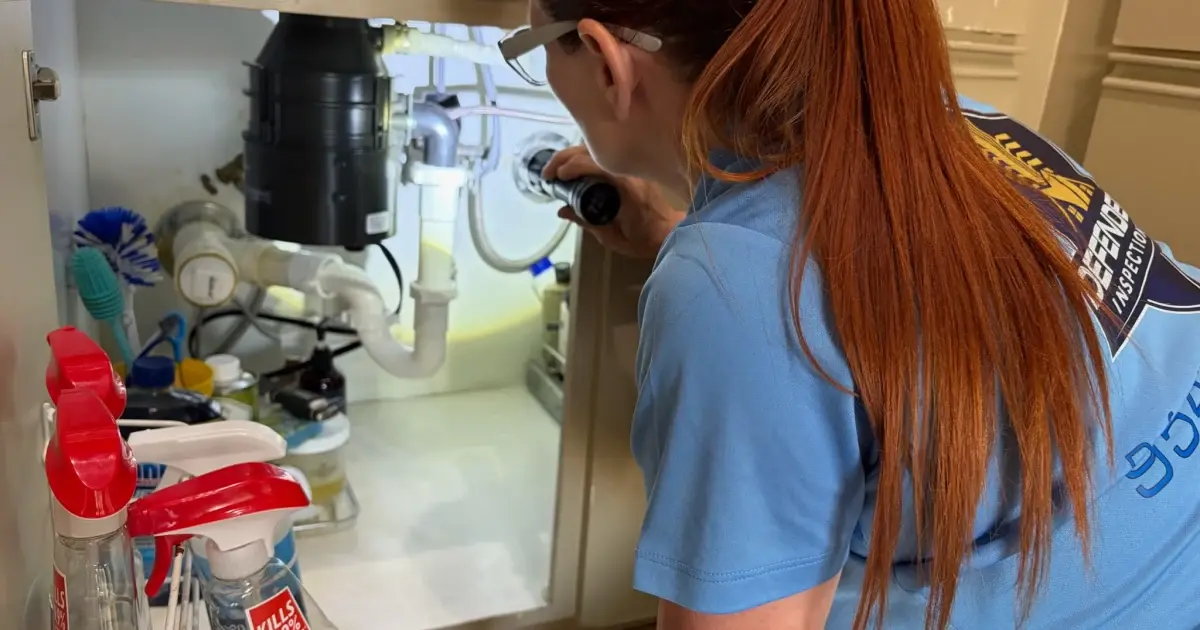
Plumbing: All fixtures tested for drainage and leaks, water heater age and condition, supply line material, and. In older homes. Sewer scope to evaluate cast iron pipes.
HVAC: System age, operation, filter condition, and ductwork inspection. The age of your AC unit and water heater directly impacts whether insurance companies will write you a policy.
Windows and doors: Every window opened and closed, checked for proper operation, seal integrity, and moisture intrusion. Impact ratings verified for wind mitigation.
Structure: Foundation walls, signs of settling or cracking, stucco condition, and. In homes with crawl spaces (more common in parts of Miami and Hollywood). A full inspection of the underside, including support structures, plumbing, and wood condition.
Moisture testing: Using moisture meters behind windows, around plumbing penetrations, and in areas prone to hidden leaks.
Safety items: GFCI outlets in kitchens and bathrooms actually tested (not just visually confirmed), smoke detectors, egress windows, and proper dryer vent materials.
This process typically takes several hours for a single-family home. If your inspector is in and out in 45 minutes, you aren't getting the inspection you're paying for.
Step Three: The Report
After the inspection, you receive a detailed report with photographs documenting every finding. A strong report includes the age of major systems, the condition of each component, photographs of deficiencies, and clear language explaining what needs attention and why. This document is the foundation of your negotiating strategy. But more on that below.
The Most Surprising Things Found in South Florida Homes
After thousands of inspections across Broward, Palm Beach, and Miami-Dade counties, certain findings come up again and again. And many of them genuinely surprise buyers.
Aging and Blacklisted Electrical Panels
There are approximately five electrical panel brands that major insurance companies in Florida refuse to cover because the breakers are known to be faulty. If your home has one of these panels. And many older South Florida homes do. You may be unable to obtain homeowner's insurance until the panel is replaced. That's a $2,000 to $4,000 expense that can derail a closing if it's discovered too late. A thorough inspector identifies this immediately.
Deteriorating Cast Iron Sewer Lines
Most homes built before the mid-1970s in South Florida have cast iron drain pipes beneath the concrete slab. After 50-plus years, these pipes corrode from the inside out, leading to slow drains, sewage backups, and in some cases, contamination concerns. Relining or replacing cast iron is one of the most expensive repairs a homeowner can face. Often $10,000 or more. A sewer scope during the inspection reveals the exact condition before you commit.
Improper Hurricane Straps and Roof-to-Wall Connections
Many older homes were built before modern hurricane codes were adopted. Even homes that have been "updated" may have inadequate roof-to-wall connections. Clips, single wraps, and double wraps each provide different levels of protection and directly impact your wind mitigation rating. And your insurance premium. Improperly installed or missing hurricane straps are one of the most common findings in pre-2002 construction.
Stucco Cracking and Moisture Intrusion
Stucco is everywhere in South Florida, and hairline cracks may seem cosmetic. But in a climate with driving rain, high humidity, and temperature fluctuations, stucco cracks become pathways for moisture. Moisture behind stucco leads to mold, wood rot (in framing members), and structural deterioration that's invisible from the exterior.
Crawl Space Nightmares
In parts of Miami, Hollywood, and Fort Lauderdale, older homes sit on crawl spaces rather than slabs. Inspectors commonly find car jacks propping up floor joists, deteriorated wood from moisture and termite damage, corroding cast iron pipes, and foundation wall cracks. These findings aren't edge cases. They're routine in certain neighborhoods.
The Small Details That Add Up
Beyond the big-ticket items, a truly thorough inspection catches the small things that other inspectors overlook: GFCIs that are marked as compliant but don't actually trip when tested, improper materials on water heater connections, dryer vents made of combustible materials, and moisture readings behind windows that suggest hidden leaks. Individually, these may seem minor. Collectively, they paint a picture of how well a home has been maintained. And they give you leverage.
How to Use Your Inspection Report as a Negotiation Tool
This is where most buyers get it wrong. They receive the inspection report, see a list of findings, and panic. They think the house "failed." Or they think every single item needs to be fixed before they can proceed.
Neither is true. A home inspection report is not a pass/fail grade. It's a detailed condition assessment. And in the hands of a smart buyer with a savvy realtor, it's a powerful negotiation document.
Categorize the Findings
Work with your realtor to sort inspection findings into three categories:
Safety and structural issues: These are non-negotiable. Faulty electrical panels, missing hurricane straps, active water intrusion, or termite damage need to be addressed before closing. Either by the seller or through a price adjustment.
Major system concerns: Roof nearing end of life, aging HVAC, deteriorating plumbing. These may not need immediate replacement but represent significant future costs. Use them to negotiate credits or price reductions.
Maintenance and cosmetic items: Dripping faucets, minor stucco cracks, worn weather stripping. These are good to know about but typically aren't items you'd ask a seller to address.
Know the Insurance Angle
In South Florida, some inspection findings aren't just about the home's condition. They're about whether you can get insurance at all. If the roof has fewer than five years of remaining life, if the electrical panel is on the blacklist, if the plumbing is failing. These are items that can prevent you from obtaining coverage. That changes the conversation from "I'd like a credit" to "this must be resolved for the sale to proceed."
Request Strategically
Don't hand the seller a 40-item repair list. Focus your repair requests on the items that impact safety, insurability, and major financial exposure. A well-organized, prioritized request backed by clear inspection documentation is far more likely to result in a favorable outcome than a scattershot list of every minor finding.
What to Do Now: Your Inspection Action Plan
Whether you're actively shopping for a home or just starting to think about buying in South Florida, here's how to prepare.
This Week
Research inspectors before you need one. Don't wait until you're under contract with a ticking inspection period. Look for inspectors with deep South Florida experience and a reputation for thoroughness. Not speed.
Understand what services exist. Beyond the general inspection, familiarize yourself with wind mitigations, four-point inspections, sewer scoping, WDO inspections, and air quality testing so you can make informed decisions when the time comes.
This Month
Talk to your realtor about inspection strategy. Make sure your agent understands that the inspection report is a negotiation tool, not just a formality. Align on how you'll use findings to protect your position.
If you're selling, get a pre-listing inspection. Discovering a $10,000 plumbing issue during the buyer's inspection period puts you on the back foot. Finding it in advance lets you address it on your timeline and your terms.
This Quarter
Build your home-buying team with inspection in mind. Your inspector, your realtor, and your insurance agent should be working in concert. The inspection findings drive insurance eligibility, which drives your ability to close. Make sure everyone is communicating.
Budget for the unexpected. Even in the best-case scenario, a South Florida home inspection will reveal items that need attention. Set aside a contingency fund so that inspection findings inform your decisions rather than derail them.
The Bottom Line
A home inspection in South Florida isn't a formality. It's your single best opportunity to understand exactly what you're buying before you commit. From aging electrical panels and corroding cast iron to hurricane readiness and hidden moisture, the findings in your inspection report give you the information and the leverage to protect your investment. Treat the report as a strategic tool, not a verdict, and you'll walk into closing with confidence.
Ready to defend your investment? Contact Defender Inspections to schedule a comprehensive home inspection across Broward, Palm Beach, or Miami-Dade County. We inspect every home like it's our own. Because your investment deserves nothing less.
About the Author
Defender Inspections
Defender Inspections is a husband-and-wife home inspection team serving Broward, Palm Beach, and Miami-Dade counties. Michelle Diefenderfer (FL HI12805) leads every inspection with five-plus years of South Florida experience; Glen Diefenderfer handles client relations, scheduling, and realtor partnerships. Every report carries the Diefenderfer family name.